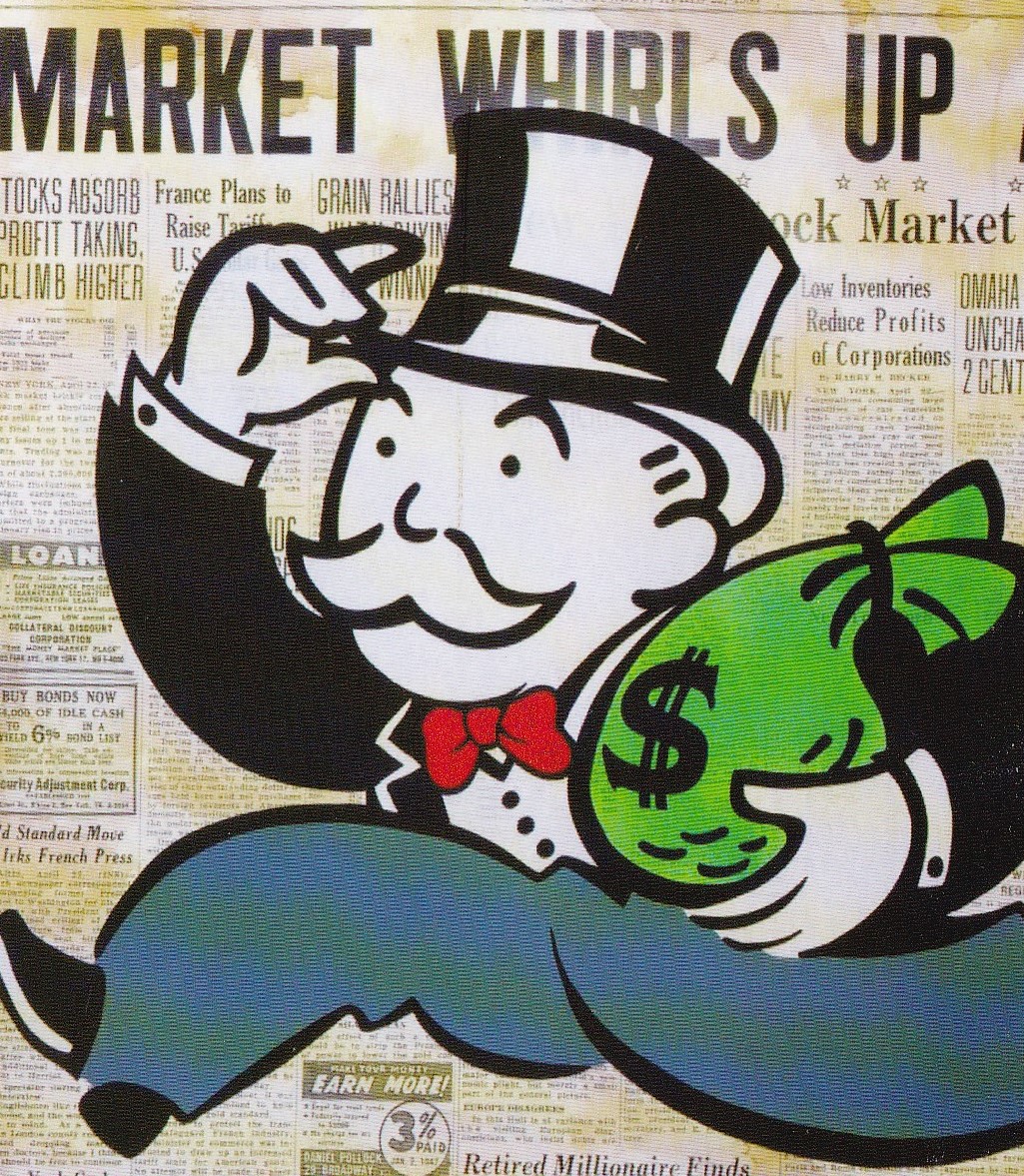
As the largest consumer society in the history of the world, Americans now face a collective credit card debt of $1.23 trillion. The average family credit debt is between $10,000 to $11,000. This large debt is accompanied by painfully high interest payments of about 23%.
If no payments are made on a $10,000 loan, interest alone would accrue to approximately $2,300, increasing the total balance to $12,300.
The academic explanation for why credit card companies charge high interest rates, such as 23%, is that credit card debt is unsecured, meaning there is no collateral. Without collateral, lenders face a high risk of default from a large population of borrowers with diverse work histories, incomes, debts, and personal circumstances. The card companies also build in operating costs, such as marketing, salaries, and fraud, into this interest rate.
The interest rates are also unregulated. This is not surprising, since credit card companies are among the largest lobbying industries in Congress. These companies spend between $10 million and $20 million on lobbying annually. Here are some amounts for each company in 2023-2024: Visa: around $7.68 million (2024); Mastercard: around $5.21 million (2024); Capital One: around $4.08 million (2024); American Express: around $1.67 million (2023); Discover: around $1.93 million (2023).
This political power is why Christopher L. Peterson, Professor of Law at the University of Utah, said, “ …there are virtually no interest rate limits that are applicable to any type of bank, anywhere in the country, anymore.”
In short, Americans are at the mercy of credit card companies, with almost no recourse to lower rates or monthly payments, or leverage to negotiate with this interest-rate-setting monopoly. Credit card companies have a virtual chokehold on most Americans who need credit to buy homes, cars, pay medical bills, and purchase everyday household items ranging from groceries to entertainment to restaurant bills.
For decades, Congress has been unwilling or unable to limit the power of credit card companies. Consumers have a few options to address high credit card debt: they can negotiate with the credit card company to make lower monthly payments on the full amount of their debt, or they can declare bankruptcy.
In the first case, the consumer is still liable for the full amount of the debt. In the event of bankruptcy, the consumer may avoid paying the debt, but the bankruptcy will remain on their credit report for 7 to 10 years, depending on the type of filing. However, the court record remains public indefinitely. The bankruptcy follows a person in their employment history and can affect their borrowing record. 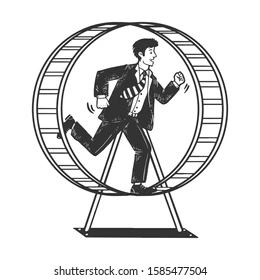
Today, about 10% of credit card borrowers are late with their payments. Credit card companies love it when consumers cannot pay their monthly credit card bills in full. This is because late fees range from $32 to $41 per event. These additional late-payment fees generate billions in revenues, with consumers paying around $14.5 billion in 2022. This accounted for a large portion of the over $100 billion in total interest and fees collected in 2022.
When consumers cannot pay their credit card bills in full each month, credit card companies and the federal government offer debt counselling and budgeting programs that do little to alleviate the problem of high living costs, stagnant wages, and the high cost of living.
This is the famous consumer treadmill that has been described for decades. Average Americans have to keep running in place just to stay even with their household bills.
Fighting the Credit Card Companies
American consumer capitalism today is the epitome of opportunity for some people. But this system offers an incipient form of predatory business practices for others.
Online fraud orchestrated by unaccountable companies operates freely with little law enforcement intervention. Other corporations use technology to track your purchase histories and cross-reference that with your local demographics to see what types of ads make you respond, or even what prices you can pay for an item.
The Trump regime has removed consumer safeguards and eliminated watchdog agencies and inspector generals at federal agencies to ensure that oversight is a dying industry. Congress has abandoned the average consumer at a time when they are most vulnerable to predatory, monopoly capitalism. This is why average citizens have little power to fight back, appeal, or correct abuses and overcharges.
One of the few things victimized consumers can do in this predatory environment is to stop paying their credit card bills.
This is a revolutionary and uncomfortable action, especially considering that most Americans were raised to pay all their bills on time and be good citizens and even better consumers.
But this is an old model. Americans see billionaires with solid relationships to banks that borrow billions, even when they have criminal records and a library of lawsuits against them from creditors with legitimate claims. Trump made a fortune by not paying builders, contractors, architects, tradesmen, and lawyers, and then filed for Chapter 11 business bankruptcy protection six times between 1991 and 2009. (Trump himself has never filed for personal bankruptcy.)
When Trump went bankrupt, he left people with worthless invoices. Then, American society miraculously changed this bankrupt, draft dodger, and molester into a business “expert” (thanks to “The Apprentice” producers at NBC). He was then recruited by the Russians or the right-wing Deep State (depending on your sources) into presidential material in a society that was evidently going through its own moral and ethical crisis.
The Trump era changed the stigma of not paying credit card debt. This has given rise to a new industry based on delaying and or not paying 100% of your bills, just like the Trump billionaire class.
Today, debt relief programs are offered by companies such as National Debt Relief, TurboDebt, Curadebt, LendingTree, Credit.org, and Reach Financial. SoFi and SuperMoney allow consumers to stop paying monthly credit card bills. Then, after three to four months, the debt relief company negotiates with credit card companies on the borrower’s behalf to reduce the borrower’s total debt.
Debt relief companies are often compensated by receiving a percentage of the debt the borrower saves. Negotiations between the debt relief company and the credit card companies to reduce your liability are often not completed until the borrower (the debt relief participant) has approved of the settlement amount.
These programs are used in place of filing for bankruptcy, which can have severe long-term impacts on credit. In a debt relief program, the participant pleads a hardship case (such as an ill relative, the death of a working spouse, hospitalization, a severe accident, or job loss) to qualify for the program.
These are revolutionary programs to fight credit card companies. If you follow this path, it is advisable to do so if you have large credit card debts (often in excess of $25,000) and are older, since it may temporarily hit your credit score. But if you already own a car and a home and have made other large purchases that required a high credit score, this score drop may not be a problem.
This process also means that you will not be able to use credit cards for a few months until your debt situation has been resolved between the debt relief company and the credit card companies you owe.
This process is not for everyone. It may involve finding a new banking relationship that is not affiliated with your credit card, having the discipline not to use credit cards, and telling the debt collectors from the credit card companies that you are in a debt relief program. By law, rules prevent credit card debt collectors from harassing borrowers at work, and other barriers protect the borrower’s privacy.
However, this is one of the few alternatives for consumers who cannot pay their credit card debts and don’t want to be enslaved to these companies for the rest of their lives. This is a fair way to fight back against an industry that holds all the cards: They set the interest rates and late-fee amounts, as well as the legal conditions that can ensnare a borrower in additional fees and legal liabilities.
For a living person, this is one of the only ways to fight back against the credit card industry.
Even Death Is No Way to Escape the Credit Card Industry
Some people may think that dying is a way to escape the clutches of a predatory credit card company. But they would be wrong.
Dying is inevitable, despite what some cult and QAnon leaders say. You can be reincarnated, but in this case, you lose your credit card history, as well as your reward points
In the real world, however, when a person dies, their credit card debt becomes the responsibility of their estate to pay. The banks and credit card companies have faced this situation for hundreds of years, plus they write the laws, so the average person has no, or very few, options. The laws say the estate pays the credit card debts from the deceased person’s assets (house proceeds, bank accounts, and investments). These are used first to pay debts, including credit card debt, before beneficiaries receive their inheritance. (Funny thing, but the banks always put themselves at the head of the line when it comes to getting money.)
At the family level, members usually aren’t liable for credit card debts unless they were:
- A co-signer or a joint owner of your credit card account;
- Lived in a community property state;
- Or, were a co-signer, with the estate’s executor managing payments before heirs receive inheritances. The good news is that if the estate can’t cover it, the debt often goes unpaid.
But this law also has something for everybody. If you have a family member whom you do not like, have them become a joint signer to your credit card account, run up a large debt, and enjoy yourself. When you die, your dislikeable family member will be stuck with the bill, and you can be looking down on them and smiling.
Join the Credit Card Company Revolt
So, if you are facing significant credit card debt and want to use one of the few methods to retaliate against predatory corporations, investigate a debt relief program to see if it fits your situation and personality.
You will have to make some banking relationship changes, learn to live off of the credit card grip for a few months, and be able to inform your credit card bill collectors that you are in a debt relief program.
For many, this is an uncomfortable path. But America has changed under the two Trump regimes. Not paying bills is part of the business and personal histories of the most elite people in American society. This elite group and their flagrant pursuit of wealth and extravagant displays have degraded societal mores. These are the elites that comprise the Trump social, business, and political sphere. This garish display will be Trump’s biggest legacy.
So, for the average person, entering into a debt relief program is one of the few ways to fight back against an unaccountable, predatory industry that is unaccountable to Americans.